


Bamboo Plant Lighting: Find the Right Light Indoors
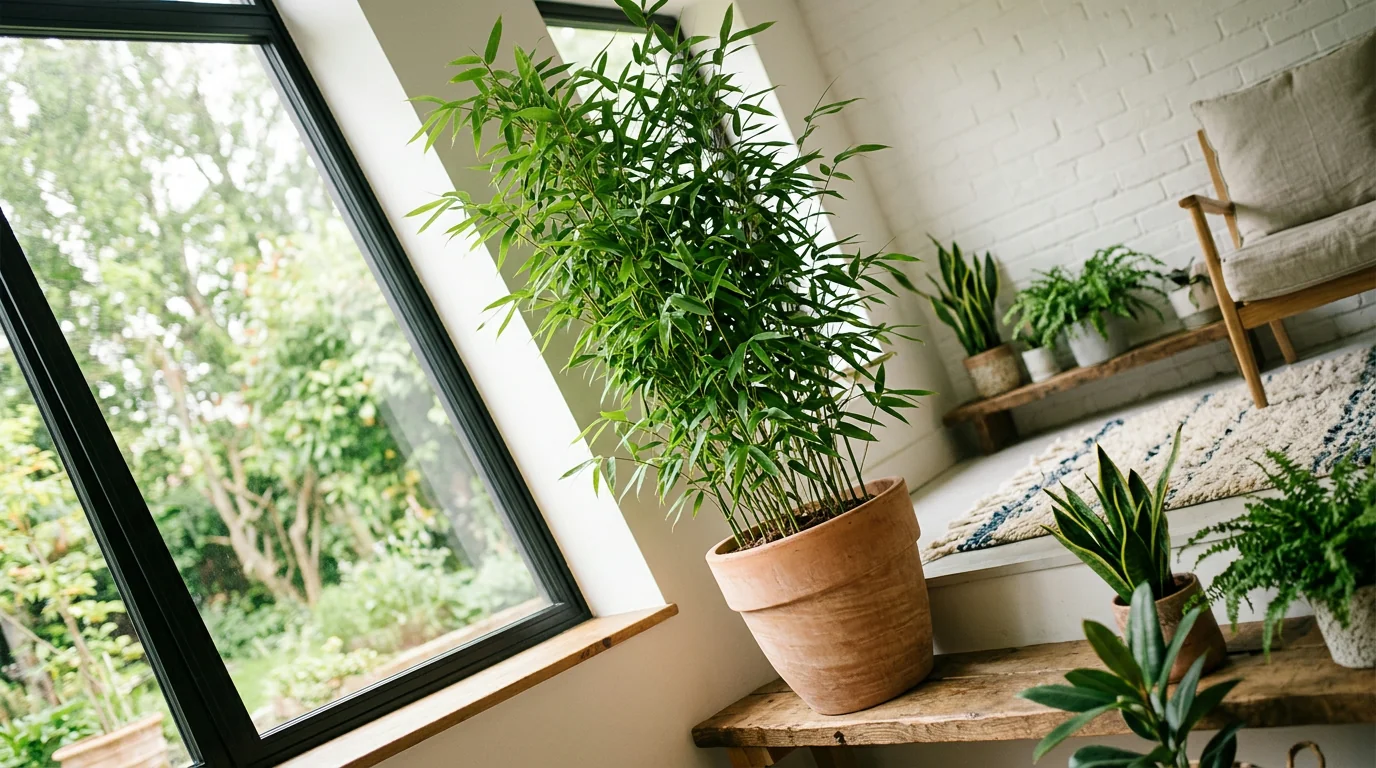
What is the best type of light for bamboo plants?
For most indoor bamboo, bright, indirect light is a reliable starting point. Place the plant near a bright window where it gets plenty of ambient daylight but is shielded from intense midday sun. Strong direct rays can scorch leaves, especially when a plant has been kept in lower light.
Does the kind of bamboo matter?
Yes. Lucky bamboo, which is a dracaena rather than a true bamboo, usually adapts well to indirect light and can tolerate a somewhat dimmer spot. True bamboo generally needs more light to stay vigorous. If you are unsure which kind you have, start with bright, filtered light and watch for changes in the leaves and growth.
Can an LED light support indoor bamboo?
A full-spectrum LED grow light can supplement daylight when a room is dim or has no suitable window. Choose a grow light intended for plants, and follow its recommended distance and daily schedule; light strength varies by fixture. A timer can help you keep the schedule consistent. Avoid leaving a bright grow light on around the clock, since plants benefit from a regular dark period.
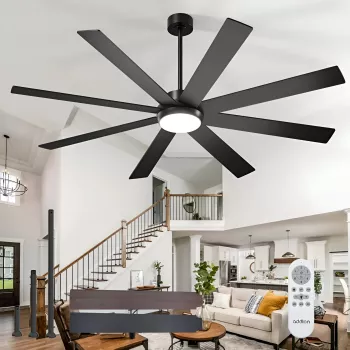
A standard ceiling-fan light can brighten a room, but it may not provide the intensity or spectrum a plant needs for steady growth. Use it as general room lighting, not as a guaranteed replacement for a grow light. In a small space, a fan with an integrated light can serve the room while a separate plant light is positioned for the bamboo.
How can you tell if the light is right?
Watch the plant over time. Pale or scorched patches may indicate too much direct sun, while stretched, weak growth can signal that the plant needs more light. Make changes gradually rather than moving it straight from a dim corner into strong sun. Turning the pot occasionally can also help all sides receive more even exposure.
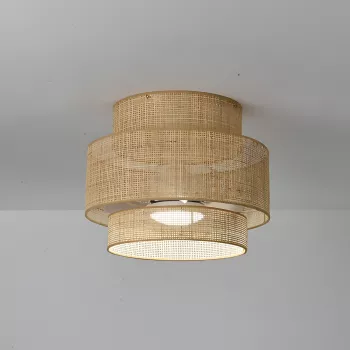
For ideas on combining overhead lighting and a fan in a compact room, visit our small-space bamboo LED ceiling fan guide.
FAQ
Can a ceiling fan help indoor bamboo?
A ceiling fan can keep air moving, but it does not replace the light a bamboo plant needs. Use a gentle setting and avoid directing a strong, continuous draft at the leaves, which can dry them out.














Leave a comment