


WiFi Self-Cleaning Cat Litter Box: Enclosed Drawer Guide
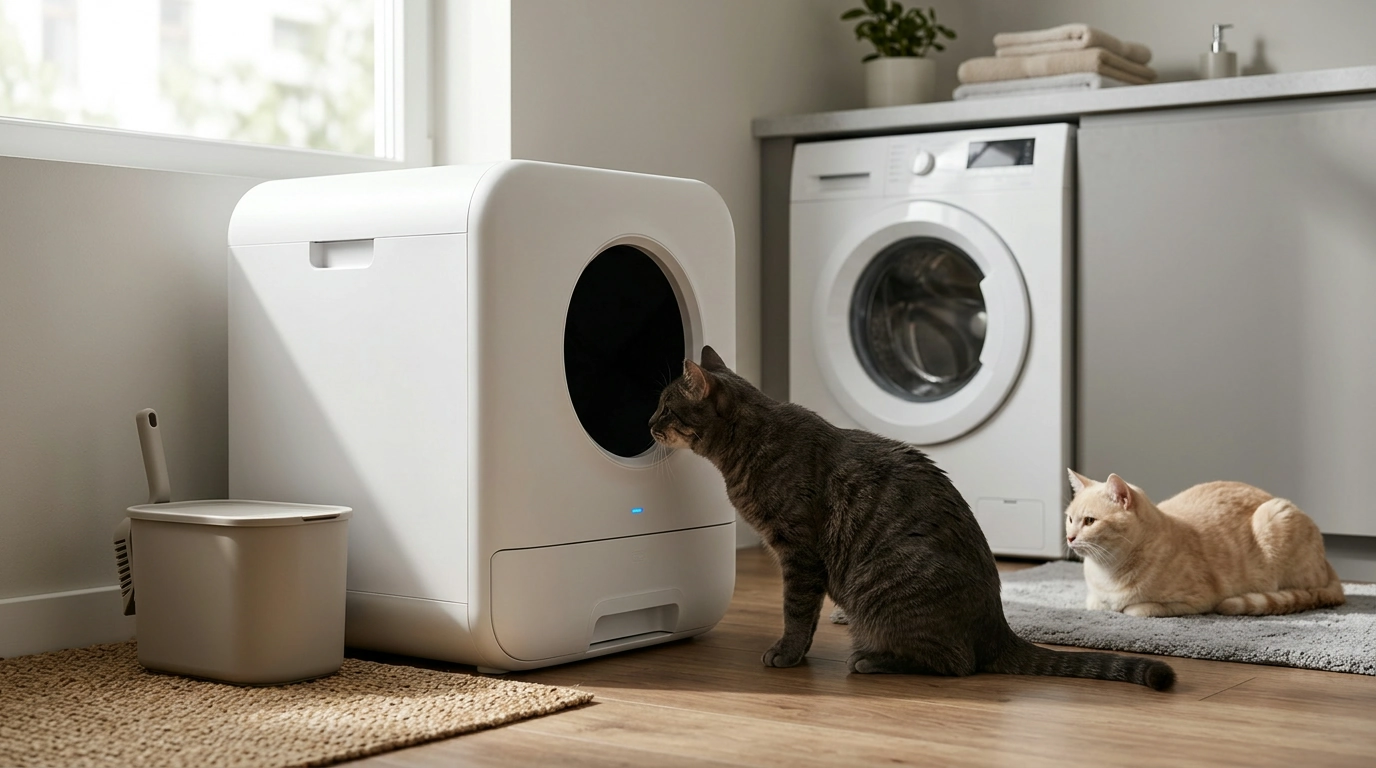
Smart Automatic Self-Cleaning Cat Litter Box with WiFi and Enclosed Drawer Design
A WiFi-enabled self-cleaning litter box can reduce daily scooping while helping keep odors contained and tracking basic litter box activity. This guide explains how an enclosed drawer design works, what to expect for upkeep, and which features matter most for comfort and safety—especially in multi-cat or apartment households where consistency and odor control can make a noticeable difference.
What Makes This Litter Box Different
Compared with a standard pan, an automatic unit focuses on keeping usable litter available between full changes. A cleaning cycle separates waste from clean litter, so the main area stays more inviting after each use. Many models also add app connectivity for monitoring and reminders, plus a more enclosed footprint to keep litter contained in high-traffic spaces.
- Automatic cleaning cycle separates waste from clean litter to keep the box ready between full changes
- WiFi connectivity supports app-based monitoring and notifications (features vary by app and settings)
- Enclosed drawer waste compartment helps contain odor and makes disposal more straightforward
- Covered, more enclosed footprint can reduce tracking and keep litter contained in busy homes
- Designed for routine convenience: less scooping, faster spot upkeep, and clearer maintenance rhythm
WiFi and App Control: Useful Ways to Use It Day to Day
App connectivity is most helpful when it reduces “mental load.” Instead of guessing whether the box cycled, you can check status, get reminders to empty the drawer, and notice changes in overall usage that may be worth paying attention to—especially for senior cats.
- Notifications when a cleaning cycle completes, when the waste drawer is ready to empty, or when the unit needs attention
- Activity insights that can help spot changes in litter box routine (frequency shifts can be a health signal)
- Remote checks while traveling or during long workdays to confirm the box is cycling normally
- Multi-cat households: easier to notice overall changes even if it can’t always identify individual cats
- Practical setup tips: use a stable 2.4GHz connection (if required), place the unit where WiFi is strong, and keep firmware/app updated
| App feature | Benefit | When it matters most |
|---|---|---|
| Cycle status & alerts | Confirms cleaning ran and flags interruptions | Busy schedules, travel |
| Waste drawer reminders | Helps prevent overflow and odor spikes | Multi-cat homes |
| Usage/activity logs | Highlights routine changes | Senior cats or health monitoring |
| Error notifications | Prompts quick checks for jams, drawer placement, or sensor issues | If the unit is in a closed room |
| Quiet-time scheduling | Reduces cycling noise during sleep hours | Small apartments |
Enclosed Drawer Design: Odor Control and Easier Disposal
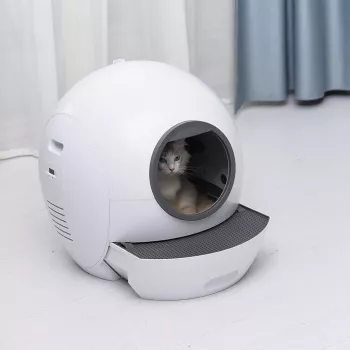
A drawer-style waste compartment keeps waste separated from the main litter bed. Instead of lifting a top bin or reaching into an open tray, you slide out the drawer, remove the bag/liner (if supported), and reinsert it. That separation can help contain odor—particularly when paired with a predictable emptying schedule.
- Drawer-style waste bin keeps waste separated from the main litter area and simplifies removal
- A tighter enclosure can reduce odor spread compared with open waste trays
- Best practice: empty on a predictable schedule based on cat count, litter type, and humidity
- Use compatible waste bags or liners (if supported) to reduce residue and speed up cleanout
- Wipe the drawer area periodically to prevent buildup that can affect odor and smooth operation
Comfort and Transition Tips for Cats
Even confident cats can be cautious around moving parts or new sounds. A slower introduction typically works better than trying to “switch overnight.” Litter box acceptance also depends on placement, litter texture, and how secure the cat feels entering and exiting.
For additional guidance on litter box habits and avoiding house-soiling issues, see resources from Cornell University’s feline health information and the ASPCA cat care library.
Safety and Reliability Features to Look For
General cat wellness guidance can also be found through the American Veterinary Medical Association (AVMA).
Cleaning and Maintenance Routine
Who This Type of Litter Box Fits Best
Product Overview and What to Expect
If you’re shopping for a connected, enclosed option, the Smart Automatic Self-Cleaning Cat Litter Box with WiFi and Enclosed Drawer Design is built around three practical ideas: reduce scooping, keep waste contained in a drawer, and use WiFi/app tools for reminders and visibility. Plan for a short adjustment period for sensitive cats, keep a backup box during the transition, and stick to a simple cleaning routine so sensors and moving parts stay dependable.
More in-stock picks for home upgrades
- AI Tools for Professional Editing Guide – Complete Digital Download
- elegant-art-deco-inspired-crystal-branch-chandelier-for-dining-room
- luxury-king-bed-with-massage-and-storage
FAQ
How often does the waste drawer need to be emptied?
For one cat, many households find an every-3-to-7-day schedule workable; with multiple cats, it may be every 1-to-3 days. Clumping litter, humidity, and diet can change how quickly odor builds, so empty before the drawer gets too full to help prevent smells and keep the mechanism running smoothly.
Will a cat that prefers an open box use an enclosed self-cleaning model?
Often yes, but a gradual transition helps: keep the unit powered off at first, use the same litter, and place it where the current box sits. Keep a second box temporarily and watch for stress or refusal; if the cat avoids it consistently, slow the transition and focus on comfort and predictability.
What should be cleaned to keep sensors and automatic cycles working reliably?
Wipe sensor areas/windows, remove dust, and check that moving parts are free of residue that can cause drag or misreads. Using low-dust clumping litter and doing a periodic deep clean with a pet-safe cleaner (then fully drying) helps maintain consistent cycling.













Leave a comment