


Smart Plates: AI Dinner Ideas Busy Parents Can Use
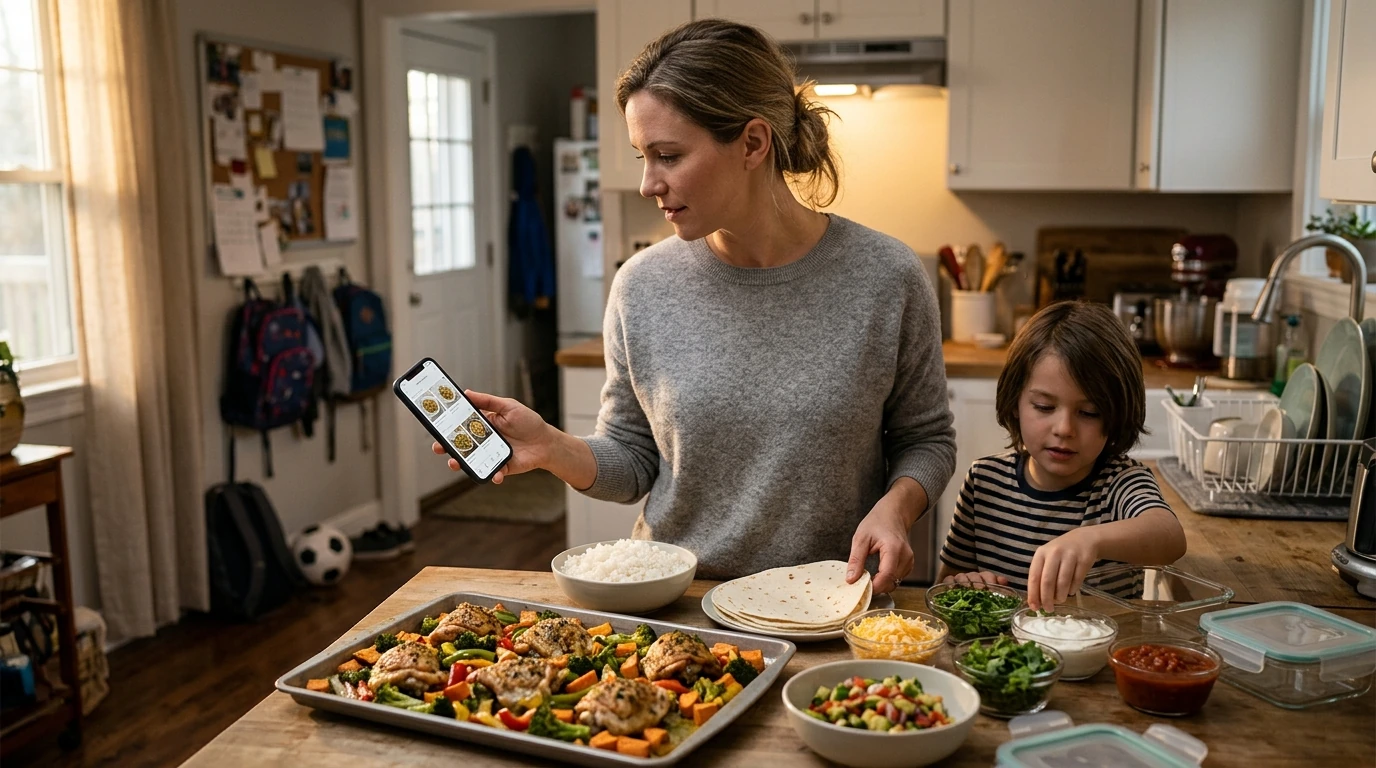
Smart Plates: AI-Powered Inspiration for Family Dinners for Busy Parents
Weeknight dinners get complicated fast—different appetites, limited time, picky phases, and the daily “what’s for dinner?” loop. Smart Plates is a digital eBook designed to turn meal planning into a simpler routine with AI-powered inspiration, practical planning structure, and flexible ideas that work for real family schedules. Instead of chasing perfection, it helps families build momentum: fewer last-minute scrambles, more “good enough” wins, and a dinner plan that bends when the week gets busy.
What Smart Plates Is and Who It Helps Most
Smart Plates is a digital eBook built for busy parents who want faster decisions and fewer repeat meals—without locking into a rigid schedule. It focuses on family-friendly dinner inspiration paired with a planning mindset, so you can mix quick staples with a couple of new ideas and still have backup options when life runs long.
- Made for households juggling school activities, late workdays, or multiple preferences at the same table.
- Designed to reduce decision fatigue by offering direction when ideas run out.
- Flexible enough for different cooking skill levels and budgets.
If the hardest part of dinner is deciding what to make (not cooking it), Smart Plates: AI-Powered Inspiration for Family Dinners (digital eBook) is designed to be the “next idea” engine you can open on a phone while standing in the kitchen or grocery aisle.
A Simple Weekly Flow That Makes Dinner Easier
A plan works best when it matches the rhythm of your week. One practical pattern is: 2 quick staples, 2 new ideas, 1 leftover-friendly meal, and 1 “pantry rescue” option. The goal isn’t to schedule every bite—it’s to give yourself a short menu of realistic choices.
- Set a realistic target (example: plan 4 dinners and keep 3 flexible nights).
- Reuse components across meals (roasted veggies become tacos, grain bowls, or soup).
- Build a short list of family “safe foods,” then rotate sauces, sides, and formats to keep it from feeling repetitive.
- Match meals to time, not perfection—save experiments for calmer days.
Weeknight Dinner Templates (Mix-and-Match)
| Night type | Time target | Format | Examples |
|---|---|---|---|
| Fast night | 15–25 min | Sheet pan or skillet | Chicken/beans + frozen veg + seasoning blend |
| Busy activity night | 10–20 min | Build-your-own | Taco bar, pita wraps, rice bowls |
| Make-ahead night | 30–45 min (prep earlier) | Batch cook | Chili, baked pasta, slow-cooker shredded protein |
| Leftover night | 5–15 min | Remix | Leftover roast veg into quesadillas or frittata |
| Pantry rescue | 10–25 min | Shelf-stable base | Pasta + canned fish/beans + greens; soup from broth + lentils |
How AI-Powered Inspiration Fits Into Real Family Cooking
AI-powered inspiration works best when it starts with your real constraints, not an idealized pantry. When you plug in the time you have, the cookware you want to use, the budget you’re sticking to, and what’s already in the fridge, you get options that feel doable on a Tuesday—not just “pretty.”
- Turn constraints into options: “20 minutes, one pan, and chicken thighs” is plenty to generate variety.
- Create novelty by changing one variable at a time (protein, sauce, cuisine style, or cooking method).
- Keep meals family-friendly by building around a familiar base and offering optional toppings.
- Reduce waste by prioritizing ingredients that need to be used soon.
- Support dietary needs with flexible formats (bowls, wraps, stir-fries) that allow easy swaps.
For general guidance on building balanced plates while keeping it realistic, resources like MyPlate (USDA) and the CDC’s nutrition basics can help you anchor meals around simple building blocks: protein, produce, and a satisfying carbohydrate.
Making Dinners Work for Picky Eaters Without Cooking Two Meals
Picky phases are normal, and the goal is progress without turning dinner into a negotiation. A dependable strategy is “core + options”: one main base and several add-ons on the side. That way, everyone can assemble a plate that works for them while you cook once.
- Serve one shared base (pasta/rice/flatbread) with toppings on the side.
- Use a predictable plate pattern: protein, produce, and a carbohydrate kids recognize.
- Offer a “learning bite” alongside safe foods—no pressure, no bargaining.
- Keep sauces/spices adjustable at the table (mild base; heat, herbs, or crunch added per person).
- Repeat exposure matters: rotating similar meals with small changes builds comfort over time.
For more kid-focused nutrition perspective and age-appropriate expectations, the Academy of Nutrition and Dietetics kids nutrition resources is a helpful reference point.
Grocery Planning That Stays Flexible
The most sustainable grocery plan isn’t the one with the most detail—it’s the one that still works when the week changes. Start with a short master list of essentials, then shop for overlapping ingredients that can stretch across multiple dinners.
What’s Included in Smart Plates
To extend the same “smarter workflow” mindset beyond meals—especially if you also write, edit, or manage content—consider pairing it with AI Tools for Professional Editing Guide (digital download) for a practical approach to streamlining creative tasks.
Getting Started in 15 Minutes
Common Scenarios Smart Plates Can Help Solve
FAQ
Is Smart Plates a recipe book or a meal-planning guide?
It’s a digital eBook focused on AI-powered dinner inspiration and a practical planning structure. The emphasis is flexibility—helping you adapt ideas to your schedule, preferences, and what you already have.
Can it work for picky eaters and mixed-age families?
Yes. It supports a “core + options” approach (one shared base with add-ons) and build-your-own formats so different ages and preferences can be accommodated without cooking separate meals.
What do busy parents need to have on hand to use it effectively?
A small set of pantry and freezer staples, a few versatile sauces/seasonings, and a simple weekly rhythm make it easiest. With those basics, you can turn short time windows into workable dinners without overthinking.
















Leave a comment