


Rechargeable Automatic Dog Ball Launcher: 3 Distances
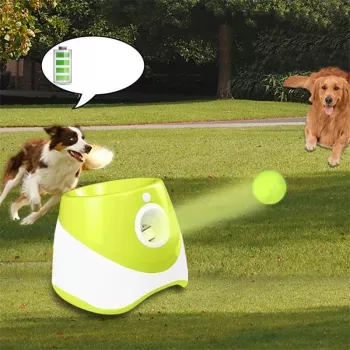
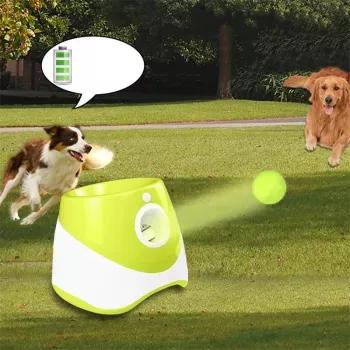
Automatic Dog Ball Launcher with Rechargeable Battery – 6 Balls, 3 Launch Distances
An automatic ball launcher can turn fetch into a consistent, repeatable workout—especially for high-energy dogs or busy households. This rechargeable model includes six balls and three distance settings, making it easier to match play to your space, your dog’s size, and their confidence level. Below is a practical breakdown of what it helps with, how to use adjustable distances wisely, and how to keep sessions safe and fun.
What this rechargeable ball launcher is designed to solve
Fetch is simple, but it isn’t always easy to keep it consistent day after day—especially when weather, schedules, or limited outdoor space get in the way. An automatic launcher helps create a reliable routine while still keeping you involved as the coach and safety monitor.
- Provides structured fetch sessions when outdoor time is limited or when a dog needs more frequent exercise breaks.
- Reduces repetitive throwing for owners while keeping play interactive (supervision still recommended).
- Lets dogs practice retrieving consistency with predictable launch direction and selectable distances.
- Helps tailor intensity: shorter launches for training and confidence-building, longer launches for endurance.
For general exercise planning and realistic expectations by age and breed, the American Kennel Club’s guidance on dog exercise is a helpful reference point.
Key features: rechargeable power, included balls, and distance settings
Small design choices make a big difference with automatic launchers. This model focuses on practical play: cordless placement, enough balls to keep momentum, and distance settings that let you scale up without rushing your dog.
- Rechargeable battery operation supports cordless play and easier placement away from outlets—useful for garages, basements, patios, or yards.
- Six included balls help maintain momentum during training. Rotate balls to reduce slobber buildup that can make them slick and more likely to slip or misfeed.
- Three launch distances allow gradual progression—start short, then increase as your dog learns the routine and stays calm between launches.
- Consistent launch pattern can reinforce “drop it” and “wait” cues when paired with rewards and a predictable start routine.
Toy condition matters with any fetch routine. For safety reminders on wear-and-tear and chewing risks, review the ASPCA’s dog toy safety tips.
Choosing the right launch distance for your dog and your space
Distance isn’t just about “more exercise.” The right setting supports good movement, safe footing, and a clean retrieve. Too much distance too soon can create frantic sprinting, sliding, or sloppy returns that turn into bad habits.
- Short distance: best for puppies, seniors, cautious dogs, indoor hallways, and “learning the game” sessions.
- Medium distance: good for most average-energy dogs in medium rooms, garages, or small yards.
- Long distance: best for confident retrievers in larger yards or open areas; confirm there’s no risk of obstacles or boundary chasing.
- Match distance to ball size and dog size: too long too soon can cause hard stops, wide turns on slick surfaces, or rushed pickups.
- Use a consistent start routine (sit/wait, eye contact, release cue) to reduce over-arousal around the launcher.
Distance setting guide by environment and dog type
| Setting | Best for | Typical environment | Training goal | Safety note |
|---|---|---|---|---|
| Short | Puppies, seniors, cautious dogs | Indoors, narrow yards | Confidence + clean returns | Watch for slippery floors; use rugs or mats if indoors |
| Medium | Most adult dogs | Garage, basement, medium yard | Steady cardio without overstimulation | Keep a clear lane to avoid ricochets off furniture or walls |
| Long | High-energy, confident retrievers | Large yard/open area | Endurance + speed work | Avoid hard stops near fences; supervise boundary behavior |
Setup and training routine for reliable returns
A launcher works best when your dog understands the “game rules.” Think of it as a short training session that happens to be fun cardio.
- Placement: aim the launcher toward a clear zone; avoid pointing at doors, stairs, streets, or fragile items.
- Warm-up: begin with 2–3 hand tosses to loosen joints and set expectations before turning on the launcher.
- Introduce the machine gradually: let your dog sniff it while powered off, then use the shortest distance and reward calm behavior.
- Teach a clean “drop” at the feed area: reward when the ball is released near the opening, not when your dog paws or mouths the device.
- Keep early sessions short: 5–10 minutes helps prevent frustration and protects joints—especially for dogs that sprint hard.
- End with a calm-down cue: add a water break and a short decompression walk so your dog doesn’t demand nonstop launches.
If your dog has a medical history or you’re unsure about safe activity levels, the AVMA’s pet owner resources are a solid starting point for general health and safety planning.
Battery care and everyday maintenance
Consistent launches depend on two things: stable power and clean contact surfaces. A few quick habits help prevent misfires and extend the life of the unit.
Safety checklist for supervised play
When a launcher is especially useful (and when to pause)
Product option and related picks
- Automatic Dog Ball Launcher with Rechargeable Battery – 6 Balls, 3 Launch Distances
- AI Tools for Professional Editing Guide – Complete Digital Download
FAQ
What launch distance should a dog start with?
Start with the shortest setting, especially for puppies, seniors, and first-time users. Increase distance only after your dog can reliably wait, retrieve, and return without slipping, crashing, or getting overly worked up.
Can this be used indoors safely?
Yes, with precautions: use the shortest distance, clear a straight lane, and protect slick floors with rugs or mats. Supervise closely to prevent collisions with furniture and to reinforce a calm wait-and-release routine.
How many fetch launches are too many in one session?
Most dogs do best with short sessions (about 5–15 minutes) plus breaks, rather than nonstop chasing. Stop early if you notice fatigue signals like heavy panting, slowing down, sloppy turns, or repeated missed catches.













Leave a comment