


How to Choose a Lightweight 20-Inch Kids’ Bike
What is the lightest 20-inch bike for kids?
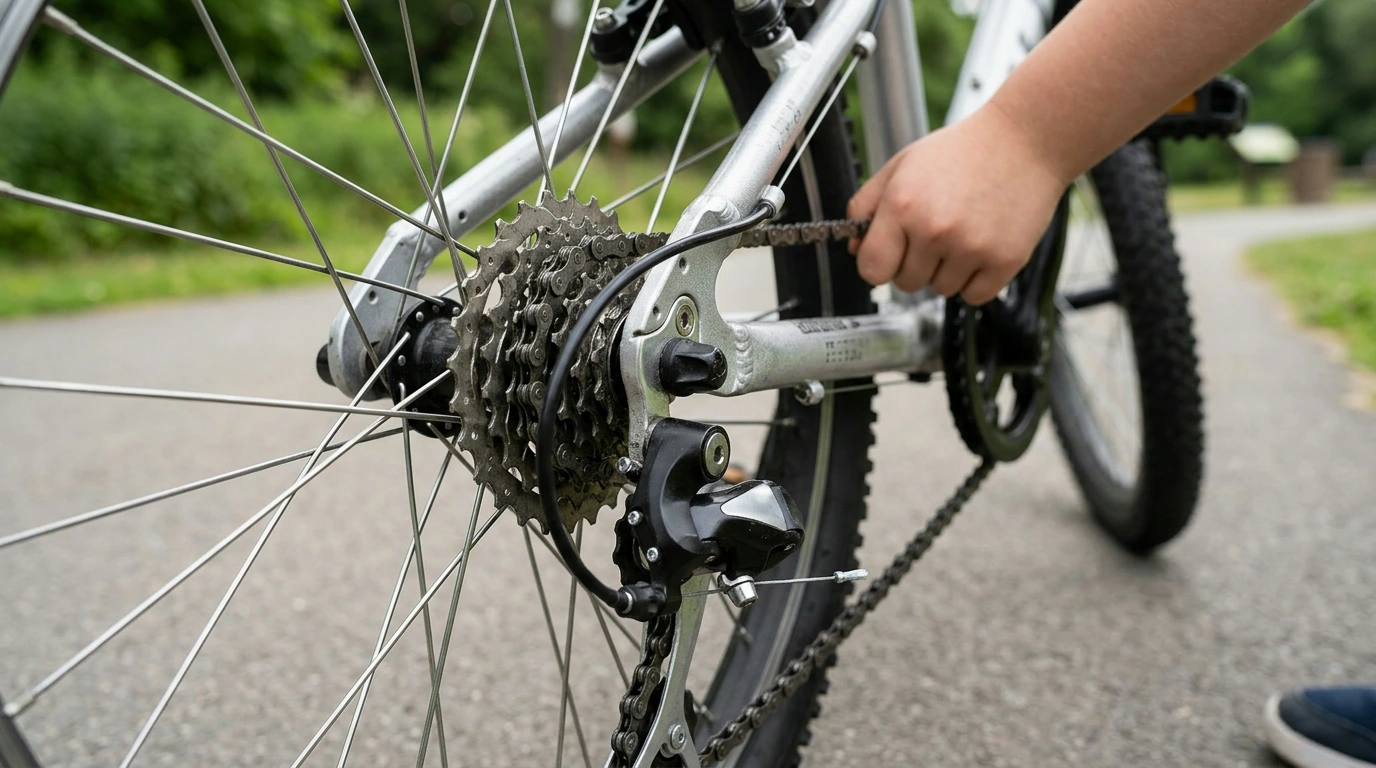
There is no single model that is always the lightest: weights vary by brand, model year, and what the manufacturer includes in its measurement. The woom GO 4 is a notably lightweight option, with a listed weight of about 17 pounds. It is a good model to compare when shopping for a light 20-inch bike, but specialist and limited-release bikes may weigh less.
Why does a bike’s listed weight need context?
Some brands publish a bike’s weight without pedals, while others may include them. Add-ons such as a kickstand, fenders, or a water-bottle cage can also change the weight your child actually rides. For a fair comparison, check whether each bike’s published figure includes pedals and compare bikes with similar equipment.
Weight is only one part of how manageable a bike feels. A child’s reach to the handlebars, the bike’s overall dimensions, and how easily they can start, stop, and steer all matter. A very light bike that does not fit well may be harder to control than a slightly heavier model that suits the rider.
How can you choose a lightweight 20-inch bike?
Start with the manufacturer’s size chart, then check the child’s inseam and the bike’s standover height. Look for a riding position that allows comfortable control and enough room to stop confidently. If possible, have your child try the bike and lift it themselves; that can show whether its weight feels manageable in everyday situations.
Also compare the bike’s brakes, gearing, and components. A simple setup can be easier for a new rider to use, while a more capable bike may suit a child who already rides confidently. The best choice balances low weight with a secure fit and features that match the child’s experience.
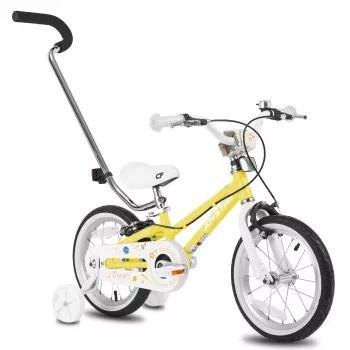
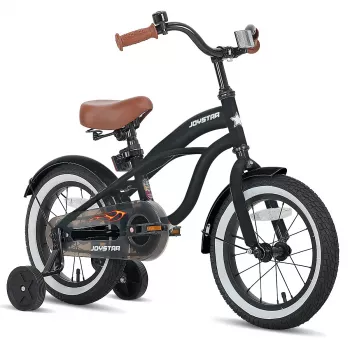
For help with a smaller first bike, see the guide to lightweight 14-inch kids’ bikes. A child who is not yet ready for a 20-inch model may benefit from starting with a size that is easier to handle.
FAQ
How should a 20-inch bike fit a child?
Use the bike maker’s size chart and check that the child can reach the handlebars and operate the brakes comfortably. They should also have enough standover clearance to get on and off with confidence.













Leave a comment