


14-Inch Lightweight Kids Bike: Training Wheels + Push Handle
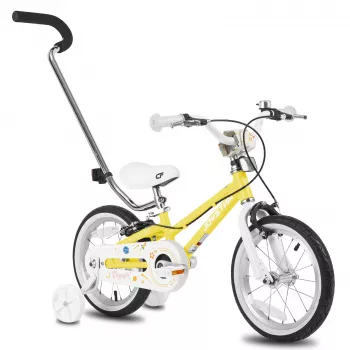
Lightweight 14 Inch Kids Bike with Training Wheels and Push Handle
A 14-inch kids bike with training wheels and a push handle can make early rides feel safer, calmer, and more fun—especially while a child is still learning how to pedal smoothly and steer without overcorrecting. The right fit and setup matter just as much as the wheel size, and a lightweight build can turn “wobbly and frustrating” into “stable and confident” within just a few practice sessions.
What Makes a 14-Inch Bike a Good “First Pedal Bike”
A 14-inch wheel size often lands in the sweet spot for many preschool and early elementary riders, but the best match is based on height and inseam—not age alone. When a bike fits well, kids can start and stop without feeling rushed, and that’s what builds real confidence.
- Better for learning than speed: Smooth rolling, steady steering, and predictable braking help children relax and focus on control.
- Lightweight is a learning advantage: A lighter frame is easier to get moving, easier to correct during small wobbles, and less intimidating to handle in tight spaces.
- Training wheels support rhythm: They help kids find a pedaling cadence while they learn where to look (ahead) and how to steer gently.
- Push handle reduces “grabby help”: Instead of holding a shoulder or tugging the saddle, a push handle lets an adult guide from a stable point so the rider stays relaxed.
Why a Push Handle Changes the Learning Curve
A push handle is more than a convenience—it changes how a child experiences early attempts. With a steadying hand available, many kids are willing to ride longer and try again after a shaky start.
- Helps with starts: Keep the bike straight while the rider finds the pedals and begins pedaling.
- Supports controlled practice: Guide gentle turns, slow down before obstacles, and keep a safe line along sidewalks or paths.
- Reduces “panic braking”: When a child feels stable, they’re less likely to slam a brake or stomp feet down suddenly.
- Improves endurance: A tired rider can keep practicing with a little assist instead of quitting early.
- Adds instant confidence: Knowing a parent can stabilize the bike right away often leads to smoother steering and fewer tears.
Key Fit Checks Before Buying (Height Matters More Than Age)
Fit problems usually show up as wobbling, stiff arms, and sudden stops. A few quick checks help you avoid a bike that feels “too big” even if the wheel size seems right.
- Stand-over clearance: With the child standing over the top tube, there should be comfortable clearance so the bike doesn’t press uncomfortably.
- Saddle height range: The seat should adjust low enough for confident starts. As skills improve, aim for a slight knee bend at the bottom of the pedal stroke.
- Reach to handlebars: Arms should be relaxed (not locked). Too much reach makes steering shaky and tiring.
- Grip size and lever reach: Small hands need grips and brake levers that can be held and pulled without straining.
- Weight handling: The child should be able to steer the bike while walking it. A lighter bike reduces tip-overs during turns or parking.
Training Wheels: Set Them Up for Progress, Not Permanent Dependence
Training wheels work best when they prevent falls but still allow the bike to lean a little. If they’re set too low, the bike behaves like a rigid tricycle and balancing skills stall out.
Brakes, Tires, and Comfort Features That Make Rides Easier
For additional guidance on safe riding habits and protective gear, see the American Academy of Pediatrics bicycle safety tips and the U.S. CPSC helmet safety resources.
At-a-Glance Setup Checklist
| Item | What “Good” Looks Like | Why It Helps |
|---|---|---|
| Seat height | Child can start comfortably; slight knee bend while pedaling | Better control and less wobble |
| Handlebar reach | Arms relaxed, shoulders down | Easier steering and confidence |
| Training wheels | Even contact with slight lean allowed | Encourages balance skills |
| Brake check | Stops smoothly from a slow roll | Prevents panic stops and falls |
| Push handle use | Light support during starts/slow turns | Guidance without grabbing the rider |
Featured Option: Lightweight 14 Inch Kids Bike with Training Wheels and Push Handle
If you want one bike that supports both “learning mode” and the gradual move toward independence, the Lightweight 14 Inch Kids Bike with Training Wheels and Push Handle is a practical option to consider.
For families who also like having helpful guides and templates for planning routines, the AI Tools for Professional Editing Guide – Complete Digital Download can be used to create clean, printable practice checklists and progress notes for lessons and activities at home.
Safety Basics for First Rides
FAQ
What height is usually right for a 14-inch kids bike?
Use inseam and stand-over clearance as the main check. The rider should be able to stand over the bike comfortably, reach the handlebars without stretching, and have a seat height range that supports confident starts.
Should training wheels touch the ground all the time?
They should be even and supportive, but not set so low that the bike never leans. A small amount of controlled lean encourages balance while still preventing tip-overs.
How does a push handle help a child learn faster?
It stabilizes starts and slow turns, reduces sudden falls during hesitation, and lets a parent guide pace and direction without grabbing the rider—helping the child stay relaxed and focused on pedaling and steering.












Leave a comment