


Hybrid Audiophile IEMs: Fit, Tuning, and Source Tips
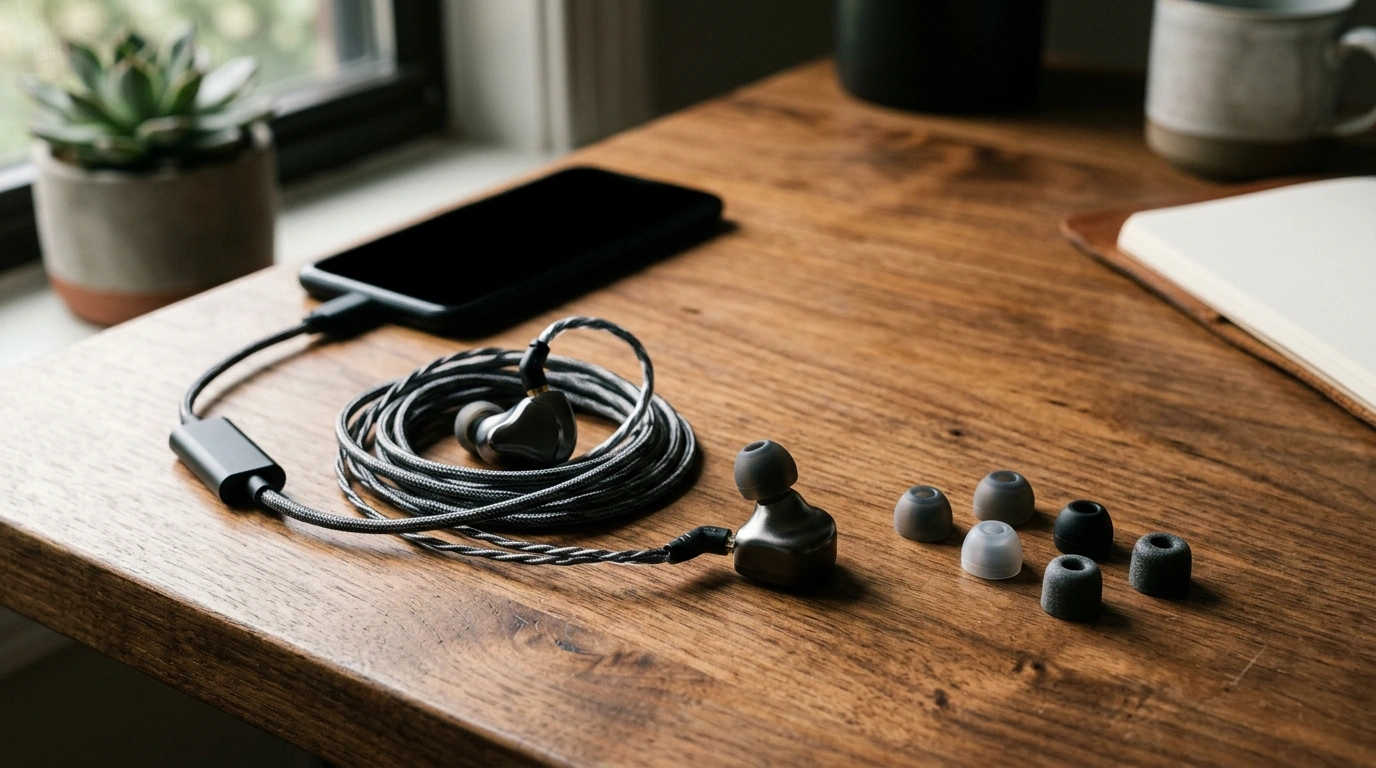
Hybrid Audiophile IEMs: Detail, Impact, and Comfort in a Single In‑Ear Setup
Hybrid in-ear monitors (IEMs) blend different driver types to deliver a mix that’s hard to get from a single technology alone: satisfying low-end weight, clear vocals, and treble that reaches up high without turning brittle. The appeal is simple—portable audio that feels full and energetic, yet still reveals small details like room reverb, guitar pick texture, or the shimmer of cymbals. The trick is knowing what actually matters in a hybrid design, how fit affects the sound more than most people expect, and what small tweaks (tips, cables, and sources) can elevate performance without turning listening into a project. For more guidance, see Rhapsodio Zombie MK8 Review: Hybrid revolution.
What “Hybrid” Means in an IEM
Hybrid IEMs combine driver technologies—most commonly a dynamic driver handling the lows paired with balanced armature drivers for mids and treble. Some models add “electrostatic-like” tweeters (often electret/EST implementations) to push extra air and extension up top. On paper, more driver types can sound like an automatic upgrade, but the real story is how they work together. For further reading, see ISN T-OCC Triple Copper Hybrid Audiophile IEM Cable.
- Dynamic drivers are known for physical bass impact and a natural sense of decay, which can make kick drums and bass guitars feel more lifelike.
- Balanced armatures tend to emphasize speed and micro-detail, helping vocals, strings, and percussion snap into focus.
- Crossover tuning and acoustic damping matter as much as driver count; a well-executed hybrid should sound cohesive rather than like separate layers stitched together.
Who Hybrid IEMs Suit Best
Hybrids are a strong match for listeners who want “fun” slam without giving up the clarity that makes high-end in-ear listening addictive. They’re also great for anyone who wants portable resolution and imaging without committing to full-size headphones.
- Listeners who enjoy sub-bass weight while keeping vocals intelligible and clean.
- Genres that benefit from both impact and separation: electronic, pop, modern rock, orchestral soundtracks, and live recordings.
- Audiophiles who value imaging and detail, but prefer an in-ear setup for commuting or desk use.
Sound Traits to Evaluate Before Buying
Hybrid tuning varies widely, so a quick “driver count” comparison won’t tell the whole story. Instead, focus on the traits below—especially how the bass integrates with the midrange, and whether the treble stays refined at realistic listening volumes.
- Bass: Look for extension (sub-bass reach) and control (avoid mid-bass bloat that masks vocals).
- Mids: Pay attention to vocal timbre and presence, especially around 1–3 kHz where clarity and “forwardness” live.
- Treble: Aim for air and detail without sharpness; too much energy around 6–8 kHz can cause fatigue.
- Technicalities: Separation, imaging precision, and perceived soundstage often improve when tuning and fit are both solid.
- Coherence: The best hybrids sound like one unified speaker; the worst feel like bass and treble come from different places.
Quick Listening Checklist for Hybrid IEM Tuning
| What to check | How to test | Good sign |
|---|---|---|
| Sub-bass extension | Low synth tones or kick drum drops | Deep rumble without distortion |
| Mid-bass control | Busy basslines with vocals | Bass stays tight; vocals stay clear |
| Vocal presence | Acoustic singer-songwriter tracks | Voices sound forward but not shouty |
| Treble smoothness | Cymbal hits and “S” sounds | Sparkle without sharp sibilance |
| Driver coherence | Drum + vocal + guitar together | No “two different speakers” effect |
Fit, Seal, and Comfort: The Hidden Performance Factor
Fit is performance. A hybrid with excellent tuning can sound thin, bright, or oddly distant if the seal isn’t right. A consistent seal stabilizes bass response and also helps imaging “lock in,” so instruments don’t wander as you move.
- Seal drives tonal balance: Even a small leak can drop sub-bass dramatically and make treble feel overemphasized.
- Tip material changes sound: Silicone often preserves treble energy and crisp edges; foam can smooth peaks and boost perceived bass fullness.
- Nozzle length and shell shape affect stability: A secure, comfortable insertion improves long-session listening and keeps left/right balance consistent.
- Over-ear routing reduces noise: Using the cable over-ear plus a chin slider reduces microphonics and helps maintain seal while walking.
For a general explanation of why seal matters in acoustic devices, the CDC’s guidance on fit is a helpful reference point: Hearing protector fit and the importance of seal.
Source Pairing: Phone, Dongle DAC, DAP, or Desktop
Everyday Use: Commuting, Office, and Travel
Featured Options Available Now
- Hybrid Audiophile IEMs ($364.51) – A hybrid-style in-ear option aimed at balancing impact with fine detail. Tip rolling (trying different sizes/materials) is often the fastest path to dialing in the seal and the final tonal balance.
- AI Tools for Professional Editing Guide – Complete Digital Download ($12.99) – A handy resource for creators who write gear notes, listening logs, or reviews and want a more efficient editing workflow.
At-a-Glance
| Product | Price | Availability |
|---|---|---|
| Hybrid Audiophile IEMs | $364.51 USD | In stock |
Care and Longevity Tips
FAQ
Are hybrid IEMs better than single dynamic driver IEMs?
“Better” depends on tuning and what you want to hear. Hybrids can combine dynamic-driver slam with fast, detailed mids/treble, but a single dynamic can sound exceptionally natural and cohesive when well-tuned.
Do hybrid IEMs need a DAC/amp?
Most hybrid IEMs will play fine from a phone, but a clean dongle DAC can reduce background hiss and improve bass control and dynamics. The upgrade is usually about sound quality and noise floor rather than raw volume.
Why do my IEMs sound thin or sharp sometimes?
Fit and seal are the first things to check—an imperfect seal often reduces bass and makes treble feel too prominent. If fit is consistent, try different tips, then consider source pairing or a small EQ adjustment to tame the most fatiguing treble area.














Leave a comment