


650W Airless Paint Sprayer Guide: Setup, Safety, Cleanup
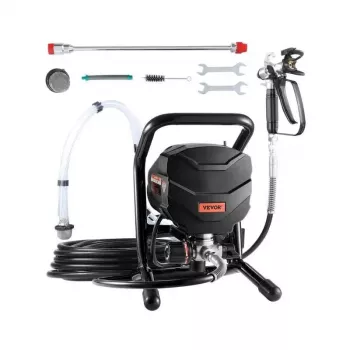
650W Electric Airless Paint Sprayer: Fast Coverage for Walls, Fences, and Furniture
A 650W electric airless paint sprayer is built for quick, even coverage on medium-to-large paint jobs where brushes and rollers can feel slow. The airless design pushes paint at high pressure and atomizes it at the tip, helping you cover broad surfaces with a consistent finish when your prep and spray pattern are dialed in. Below is what to expect from an electric airless unit, where it shines, how to set it up for cleaner results, and the maintenance habits that keep it spraying smoothly from first coat to cleanup.
What an Electric Airless Paint Sprayer Does Best
Airless sprayers are made for speed and uniformity on big, flat areas. Instead of relying on compressed air, the pump pressurizes paint and forces it through a small opening, creating a fan pattern that lays down a continuous film quickly.
- Atomizes paint at high pressure without using compressed air, helping coat large surfaces quickly.
- Produces a consistent finish on broad areas like interior walls, ceilings, exterior siding, decks, and fences.
- Works well for projects where speed matters more than ultra-fine detail control.
- Often reduces lap marks compared with rollers when technique and overlap are consistent.
Highlights of the 650W Electric Airless Paint Sprayer
A 650W electric airless unit is typically a sweet spot for homeowners and light-duty workflows: enough power for steady output on common coatings, while staying portable and easier to store than larger contractor rigs. Paint still has to be within the sprayer’s workable viscosity range, but airless systems generally handle thicker materials better than many entry-level cup guns.
- 650W electric motor designed for steady output on common home coatings.
- Airless delivery can handle thicker coatings than many basic cup-gun sprayers (viscosity still matters).
- Useful for both DIY and light professional touch-up workflows where portability is important.
- Pairs well with standard prep steps: masking, surface cleaning, and proper primer selection.
Quick Specs Snapshot (Confirm by Listing Before Purchase)
| Item | What to Look For | Why It Matters |
|---|---|---|
| Power | 650W electric | Affects output stability and ability to push thicker coatings |
| Spray type | Airless | High-pressure coverage for larger surfaces |
| Best use | Walls, fences, furniture, trim (with care) | Helps match tool to project expectations |
| Planning | Masking + ventilation | Controls overspray and improves safety |
Projects Where It Saves the Most Time
If the surface is big and the finish is meant to be uniform, airless spraying tends to cut labor the most. The time you spend masking often comes back to you in faster coverage, especially for repaints and exterior wood.
- Interior repainting: large rooms, hallways, and ceilings after thorough masking.
- Exterior wood: fences, pergolas, sheds, and deck rails (weather window matters).
- Furniture batches: chairs, cabinet boxes, or panels when set up as a small spray station.
- Priming new drywall or spot-priming repaired areas before rolling a final coat.
Setup Checklist for Cleaner Results
Most “spray problems” start before you ever pull the trigger. A tight setup routine helps prevent clogs, reduces overspray surprises, and gives you a predictable fan pattern you can trust on the actual surface.
- Surface prep: clean, dry, dull glossy surfaces, and repair defects before spraying.
- Strain paint: when recommended, straining reduces tip clogs from dried flakes or debris.
- Test spray pattern: use cardboard to confirm fan shape, edge definition, and flow before approaching the wall.
- Mask aggressively: airless overspray can travel farther than expected; protect floors, windows, fixtures, and adjacent rooms.
- Plan a spray path: keep a wet edge, overlap passes by roughly 30–50%, and spray perpendicular to the surface.
Technique Tips: Avoid Runs, Orange Peel, and Striping
Airless sprayers are fast, which means small technique mistakes can show up quickly. The goal is consistent distance, consistent speed, and a repeatable overlap so the coating builds evenly.
Cleanup and Maintenance That Keeps It Spraying Strong
Safety Essentials for Airless Spraying
For additional guidance, review OSHA’s spray finishing standard (29 CFR 1910.107), the EPA’s lead-safe information and RRP rule resources, and NIOSH respirator selection guidance.
Choosing Between Airless, HVLP, and Rollers
Product Options In Stock
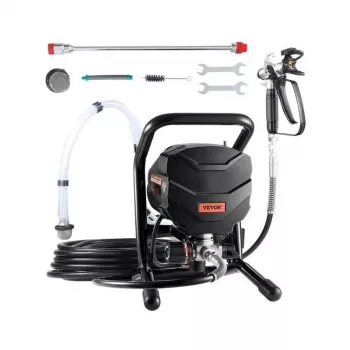
- 650W Electric Airless Paint Sprayer: a practical pick for fast coverage on medium-to-large projects with the convenience of electric power. Check the listing for included accessories (tips, hoses, filters) and confirm compatibility with the coatings planned for the project.
- AI Tools for Professional Editing Guide – Complete Digital Download: useful for creating clear project checklists, labeling steps for repeatable workflows, and organizing notes if you like documenting prep, spray settings, and cleanup routines.
FAQ
Can an electric airless paint sprayer be used for interior walls?
Yes. Plan for thorough masking and good ventilation, then test the fan pattern on cardboard before moving to the wall. Maintain a consistent distance and overlap to avoid striping or heavy bands.
Do you need to thin paint for an airless sprayer?
Sometimes. Many interior wall paints can spray without thinning, but heavier coatings may need adjustment based on the paint label and the sprayer’s capabilities. Always strain and test-spray first so you can confirm flow and finish quality.
How long does cleanup take after spraying?
Cleanup time varies by coating type and how much material ran through the system, but it’s best to plan a dedicated window right after spraying. Immediate flushing is much faster than trying to clear dried paint from tips, filters, and passages later.














Leave a comment